Jim Corbett National Park: More Than a Forest, It’s a Legacy
There are places you visit, and then there are places that change you. Jim Corbett National Park is the latter.
It isn't just 500 square kilometers of trees and tracks; it is a living, breathing history book. It is the place where India first decided that the tiger was worth saving. It is where the foothills of the Himalayas meet the humid plains of the Terai, creating a landscape so diverse that no two miles look the same.
At Corbett Step, we see this park not as a "tourist spot," but as a sanctuary. Whether you are here for the roar of the tiger or the whistle of a rare bird, here is the deep-dive story of India’s crown jewel.
1. The Man Who Put Down the Gun
You cannot understand the park without understanding the man: Edward James "Jim" Corbett.
A legendary tracker, Jim was called upon by the government to hunt man-eating tigers that had claimed hundreds of lives in the Kumaon hills. But as he spent time in the silence of the woods, his perspective shifted. He realized that the tiger wasn't a monster; it was a king losing its kingdom.
Jim Corbett became a pioneer of conservation, helping establish this area as Hailey National Park in 1936. He famously said, "The tiger is a large-hearted gentleman with boundless courage." Today, his spirit lives on in the strict rules that keep this forest wild.
2. The Geography: Where Mountains Meet Meadows
Corbett is unique because of its vertical diversity.
- The Terai: The flat, marshy lowlands filled with tall elephant grass.
- The Bhabar: The rocky, dry belts at the foot of the hills.
- The Shivaliks: The rolling hills covered in dense Sal and Peepal forests.
Because of this mix, you can see a tiger in a dry riverbed in the morning and a herd of elephants on a misty hillside in the afternoon.
3. The "Corbett Trinity": The Three Rulers of the Woods
While hundreds of species live here, three animals define the Corbett experience:
- The Royal Bengal Tiger: Corbett has the highest density of tigers in any Indian park. Here, they are "territorial ghosts"—you might not see them, but you can feel them watching from the thickets.
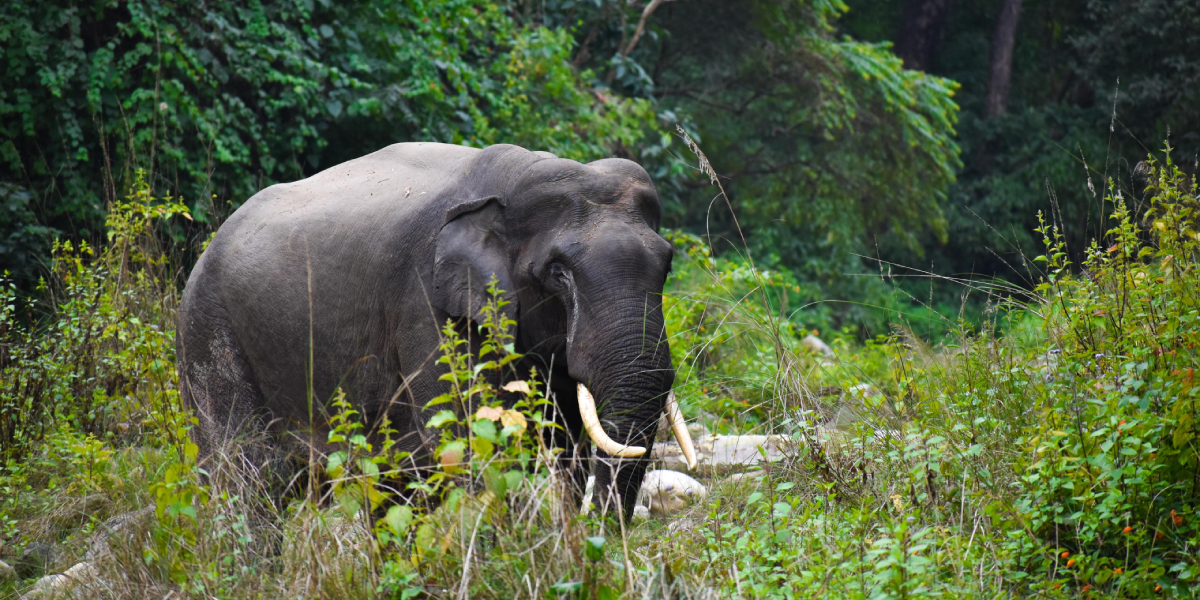
- The Asian Elephant: Corbett is one of the few places in India where you can see massive herds (sometimes 30–50 elephants) migrating across the Ramganga river.
- The Leopard: Often overlooked because of the tiger, the leopards of Corbett are masters of the "hilly" zones like Durga Devi and Sitabani.
4. Decoding the Zones: Which "Step" Should You Take?
The park is divided into zones to ensure that humans don't overwhelm the wildlife. Here is the Corbett Step perspective on each:
| Zone | The "Vibe" | Why Go? |
|---|---|---|
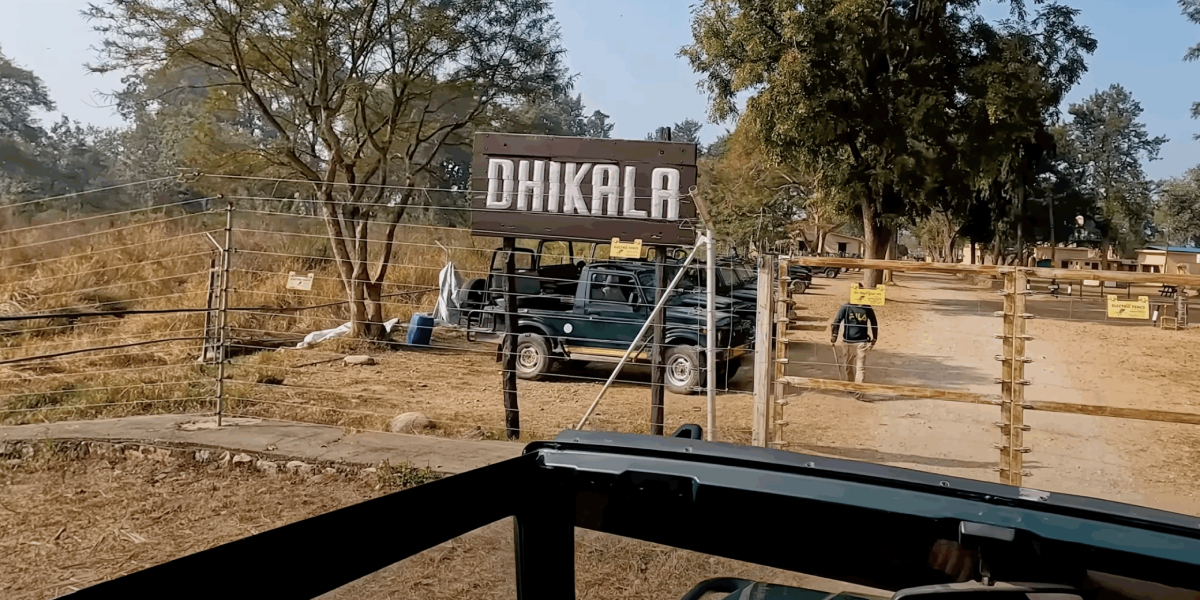
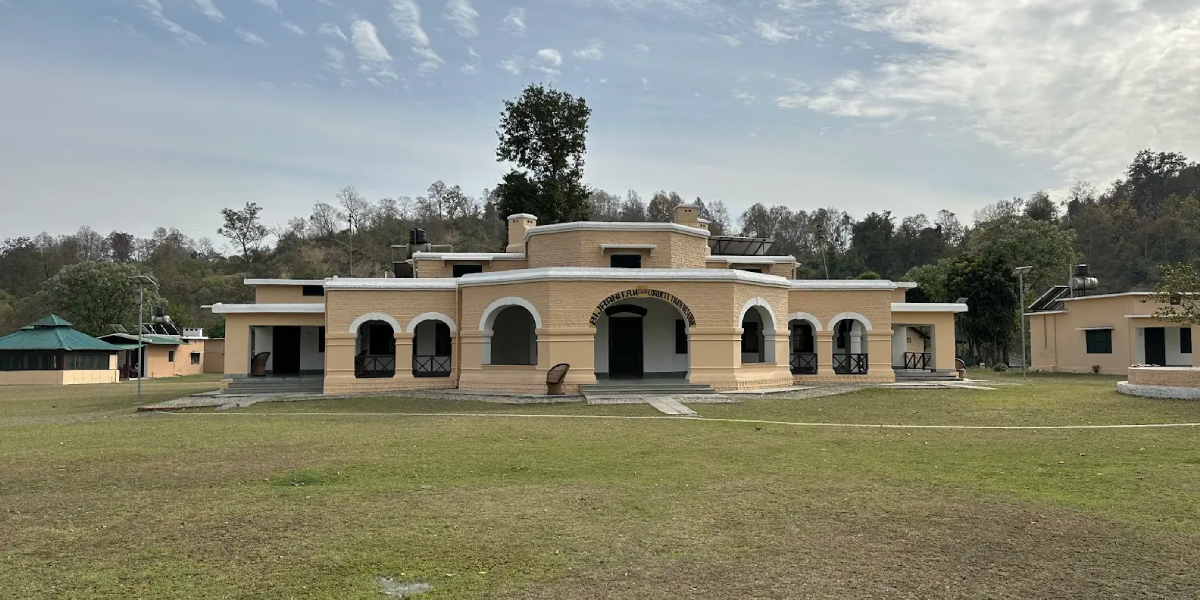
| Dhikala | Grand & Cinematic | Best for river views and large elephant herds. |
| Bijrani | Intense & Wild | The highest probability of spotting a tiger on a day trip. |
| Jhirna/Dhela | Resilient & Green | Open all year; famous for Sloth Bears and lush monsoon views. |
| Phato | Raw & Unexplored | The new "Tiger Hotspot" with a stunning tree-house view. |
| Durga Devi | Quiet & Hilly | A paradise for birdwatchers and those seeking peace. |
5. The Birdwatcher’s Secret
Many people forget that Corbett is a global birding hotspot. With over 600 species, it is a land of giants and jewels. You might see the Great Hornbill flying across a valley like a prehistoric creature, or the Crested Serpent Eagle perched silently on a branch, scanning the grass for movement.
6. Planning Your Journey
- When to visit?
- October to February: For mist, birds, and cozy morning safaris.
- March to June: For the best chance to see tigers near water.
- July to September: For the "Green Jungle" and a peaceful, budget-friendly escape.
- How to get here?
- The town of Ramnagar is your base. It's a 5-6 hour drive from Delhi or a comfortable overnight train ride.
Why Experience Corbett with "Corbett Step"?
The difference between a "drive" and a "safari" is the person sitting next to you. At Corbett Step, our guides don't just point at animals; they explain the "why."
- Why did that deer just bark?
- Why is the tiger moving toward the river?
- What does that fresh pugmark tell us about the age of the cat?
We don't just show you the forest; we help you hear its heartbeat.
📍 Step into the legend today: corbettstep.com