The Ultimate Deep-Dive Guide to Jim Corbett Jeep Safaris: Everything You Need to Know
There is a specific kind of silence that only exists in the Indian jungle. It’s not the absence of sound, but a heavy, waiting stillness. Then, the "tuck-tuck" of a Langur monkey breaks the air, followed by the frantic barking of a Cheetal deer.
In that moment, you aren't just a tourist; you are a witness to the rawest rhythm of nature.
At Corbett Step, we believe a safari shouldn't be just a "drive in the woods." It should be an education. This guide is a deep dive into the mechanics, the geography, and the soul of a Jim Corbett Jeep Safari.
1. The Geography of the Wild: Understanding the Zones
Jim Corbett National Park is over 500 square kilometers of hills, riverbelts, and grasslands. To manage tourism and conservation, the forest is divided into Tourism Zones. Choosing the right one is the most important decision you will make.
Bijrani Zone: The Tiger’s Playground
For many, Bijrani is the "heart" of the park. It has a high density of tigers because it has a massive "prey base" (lots of deer). The landscape is a mix of dense Sal forests and open grasslands.
- Best for: High chances of tiger sightings and diverse photography.
Dhikala Zone: The Grassland Giant
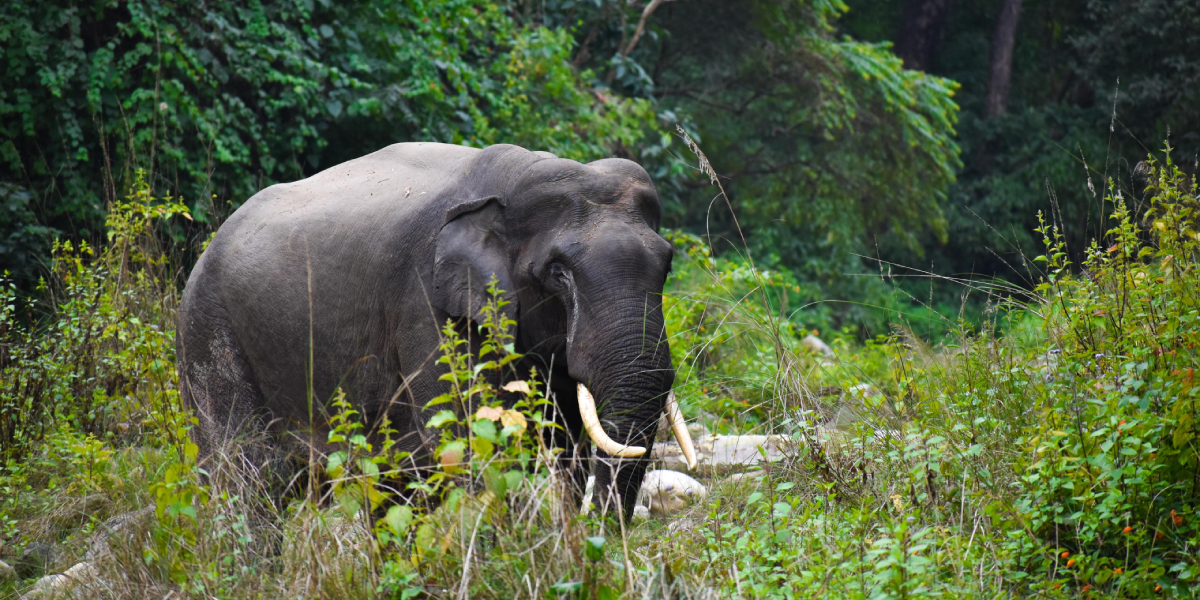
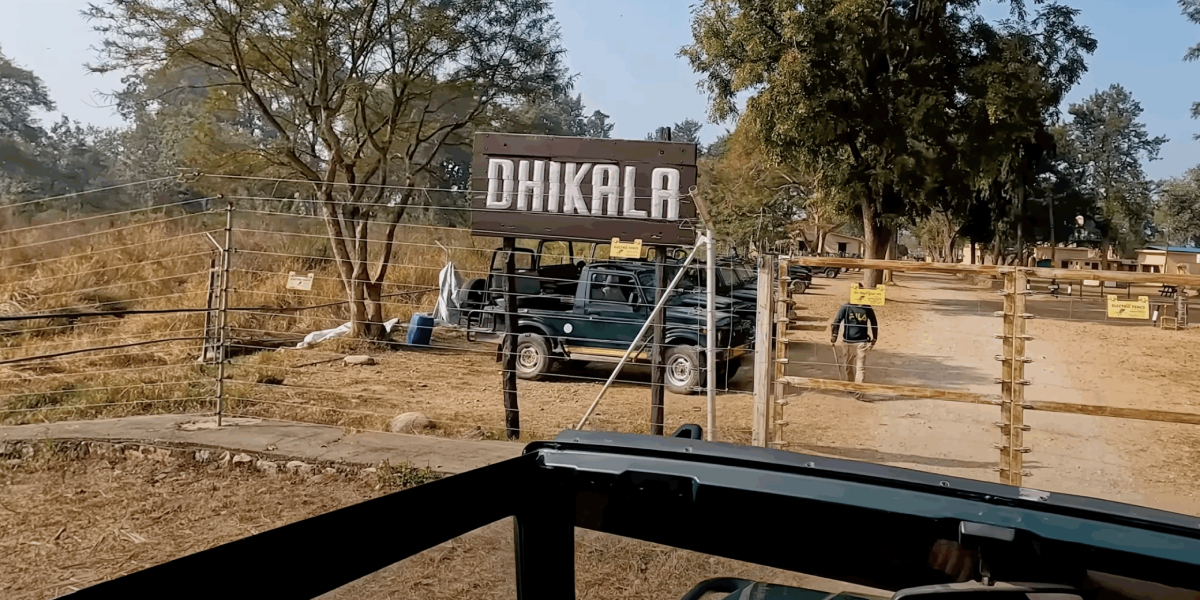
Dhikala is world-famous for its sweeping "Chaurs" (grasslands). It’s the only zone where you can see large herds of wild elephants against a backdrop of the Ramganga River.
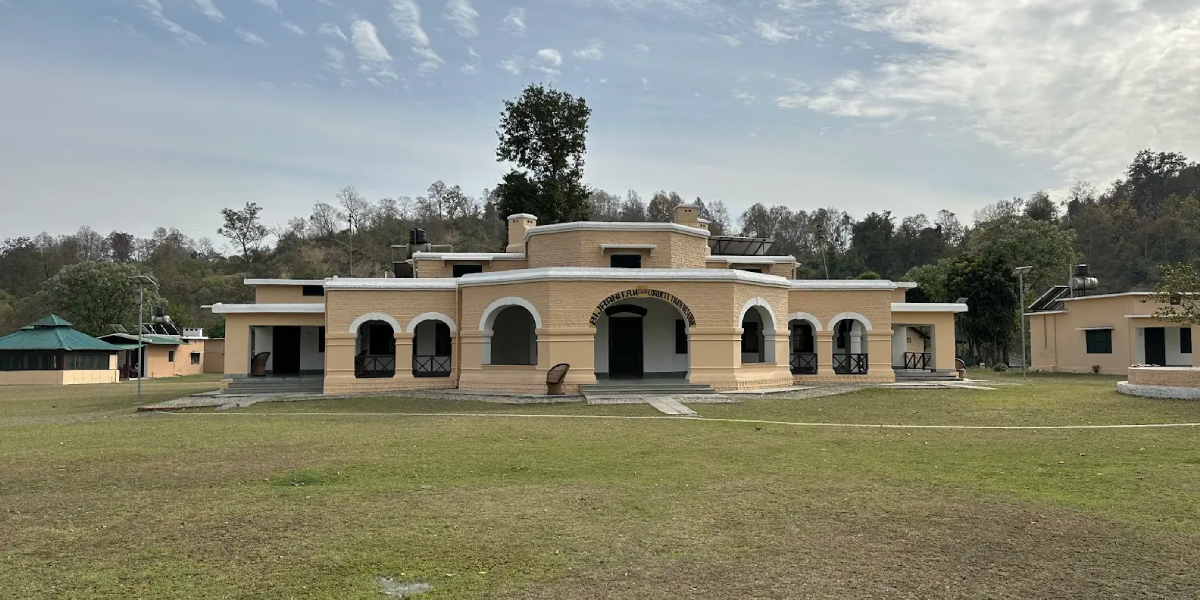
- The Catch: Day Jeep Safaris are only allowed here if you are staying in the government forest rest house. Otherwise, you must take a Canter (bus).
Jhirna & Dhela: The Year-Round Wonders
While most zones close during the monsoon (July to September), Jhirna and Dhela stay open. These zones are flatter and are excellent for spotting Sloth Bears and colorful tropical birds.
- Best for: Monsoon travelers and birdwatchers.
Phato & Garjiya: The New Frontiers
Phato has recently become a favorite for travelers who hate crowds. It feels more "rugged" and has a beautiful tree-house entry point. Tiger sightings here have been incredibly high in the last two seasons.
2. Timing Your Trip: The Seasons of the Jungle
The forest changes its clothes every few months. When you go determines what you see.
- The Winter (November to February): The jungle is lush, green, and misty. It’s the most beautiful time for photography, though tigers stay in the thickets to keep warm. Tip: Dress in layers; the morning air in an open Jeep is freezing!
- The Summer (March to June): As the grass dries up and water holes shrink, tigers must come out to drink. This is the "Golden Period" for sightings. It’s hot, but the rewards are often spectacular.
- The Monsoon (July to September): The forest is reborn. While tiger sightings are lower, the greenery is hypnotic, and the park is quiet and peaceful.
3. The Corbett Step Booking Blueprint
Booking a safari in Corbett is like booking a high-demand flight. The Forest Department limits the number of Jeeps to protect the animals.
The 45-Day Rule
Permits open 45 days in advance. If you are planning to visit during a weekend or a holiday, Corbett Step recommends booking the moment that window opens.
What You Need for a Permit:
- Valid ID: Aadhar Card, Voter ID, or Passport (for international guests).
- Fixed Shift: You must choose between the Morning Shift (approx. 6:00 AM – 10:00 AM) or the Evening Shift (approx. 2:00 PM – 6:00 PM).
- Non-Refundable: Once the government issues a permit, it cannot be canceled or transferred.
4. Transparent Pricing for 2024-2025
At Corbett Step, we hate hidden costs. Here is the breakdown of what a Jeep Safari costs:
| Item | Indian Nationals (Approx) | Foreign Nationals (Approx) |
|---|---|---|
| Full Jeep Safari (Permit + Jeep + Pick/Drop) | ₹ 7,500 - ₹ 15,000 | ₹ 7,500 - ₹ 15,000 |
| Nature Guide Fee | ₹ 1,000 (Paid at Gate) | ₹ 700 (Paid at Gate) |
Note: One Jeep can carry a maximum of 6 adults and 2 children (under 12 years).
5. Safari Etiquette: How to be a "Good" Guest
The jungle belongs to the animals; we are just visitors. To have the best experience:
- Wear "Forest Colors": Stick to olive green, khaki, brown, or grey. Bright colors (like red or neon) are seen as "danger signals" by animals and will make them run away.
- Maintain Absolute Silence: Tigers have incredible hearing. Even a loud whisper can ruin a sighting for everyone.
- No Food, No Litter: Eating is not allowed inside the park to prevent animals from getting used to human food. Always bring your trash back to the hotel.
6. Why Book with Corbett Step?
The internet is full of booking portals, but Corbett Step is different.
- We are Local: Our office is in Ramnagar. We know the forest rangers, the weather patterns, and which tracks are currently "active."
- Our Drivers are Trackers: We don't just hire drivers; we work with expert trackers who know how to read pugmarks and listen for alarm calls.
- End-to-End Support: From the moment you land at the station to the moment you leave, we handle the permits, the Gypsy, and the timing.
Frequently Asked Questions
Q: Can I choose my own driver?
A: While we assign our best drivers to all guests, if you have a specific request for a photographer-friendly driver, let us know at CorbettStep.com during booking!
Q: Is the Safari safe for seniors?
A: Yes, though the road can be bumpy. We provide cushions upon request to make the 4-hour journey more comfortable for elderly guests.
Q: What happens if it rains?
A: Safaris usually continue in light rain (it's part of the adventure!). However, if the Forest Department deems the tracks unsafe due to heavy flooding, the safari may be canceled for safety.
Ready to Step Into the Wild?
The Royal Bengal Tiger doesn't wait for anyone. Secure your permit today and let us show you the magic of the jungle through local eyes.
Contact Corbett Step:
🌐 Website: corbettstep.com